Essence
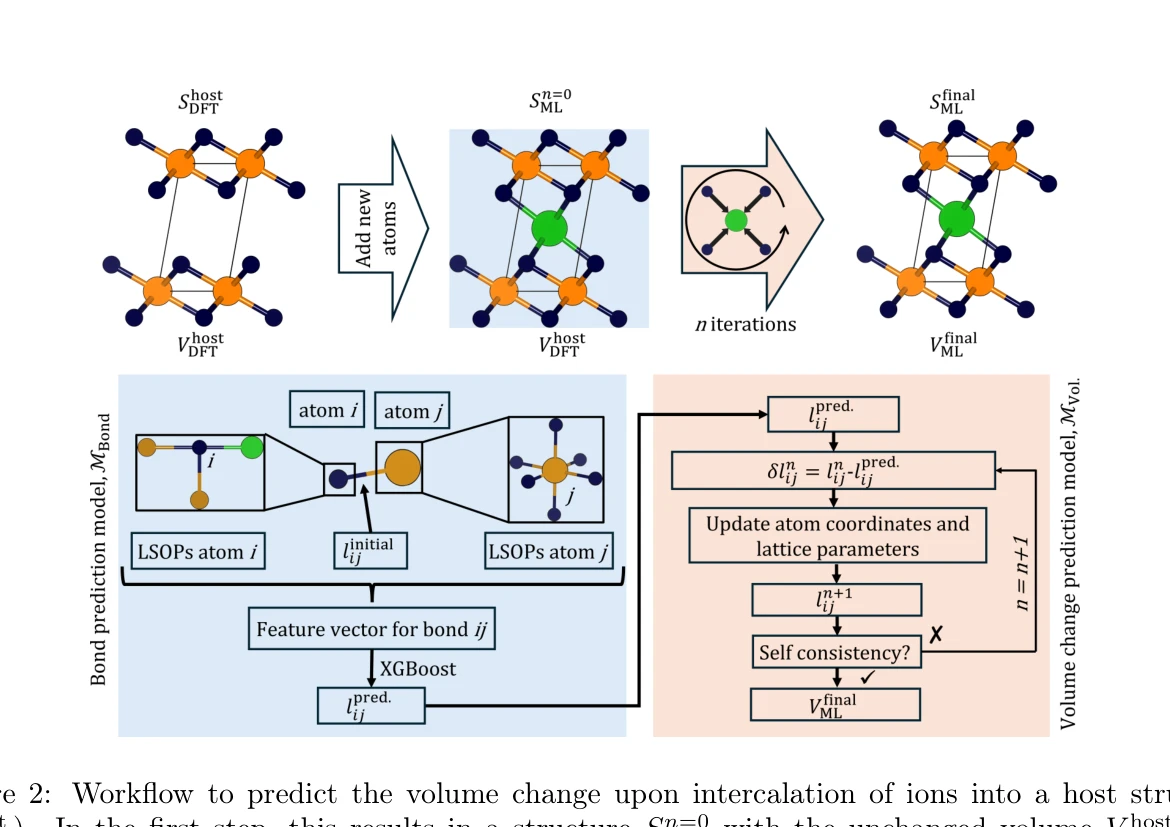
Figure 2: Workflow to predict the volume change upon intercalation of ions into a host structure
본 논문은 battery 재료에서 ion intercalation으로 인한 부피 변화를 예측하는 high-throughput screening workflow을 제시한다. 원자 단위 특징량과 machine learning 기반 bond-length 예측 모델을 결합하여 약 117만 종의 3d transition-metal 산화물·불화물을 스크리닝하고 low volume change (LVC) 후보재료를 도출한다.
Achievement
Figure 2: Workflow to predict the volume change upon intercalation of ions into a host structure
1. 약 117만 종 transition-metal 화합물 스크리닝: 광범위한 compositional space에서 LVC 재료를 체계적으로 탐색. 2. DFT 검증을 통한 신뢰성 확보: 스크리닝 결과의 유망 후보들을 DFT로 재검증하여 워크플로우의 신뢰성 입증. 3. 다양한 구조 적용 가능성: 학습 데이터셋의 space group에 제한되지 않고 diverse crystallographic structures에 적용 가능한 일반성 달성. 4. 계산 효율성: DFT 대비 훨씬 빠른 screening으로 대규모 후보 재료 탐색 가능.
Evaluation
Novelty: 4/5 Technical Soundness: 4/5 Significance: 4/5 Clarity: 4/5 Overall: 4/5
총평: 본 논문은 machine learning 기반의 효율적인 high-throughput screening workflow을 제시하여 LVC battery 재료 발굴에 유의미한 기여를 한다. 117만 종 규모의 대규모 스크리닝과 DFT 검증을 통해 워크플로우의 신뢰성을 입증했으며, diverse crystallographic structures에 적용 가능한 일반성을 보여준다. 다만 학습 데이터의 compositional domain 제약과 solid-solution mechanism 가정이 있으므로, 추후 다른 원소계나 phase transition 재료로의 확장이 필요하다.