Hallucination mitigation using agentic ai natural language-based frameworks
저자: Diego Gosmar, Deborah A. Dahl | 날짜: 2025 | DOI: N/A📄 PDF
⚠️ 이 페이지의 요약·평가·해설은 생성형 AI(Claude)가 자동 생성한 2차적 분석물입니다. 논문 원문의 저작권은 원저작자에게 있으며, 정확한 내용은 원문(위 DOI·arXiv 등 출처)을 확인하세요.
Essence
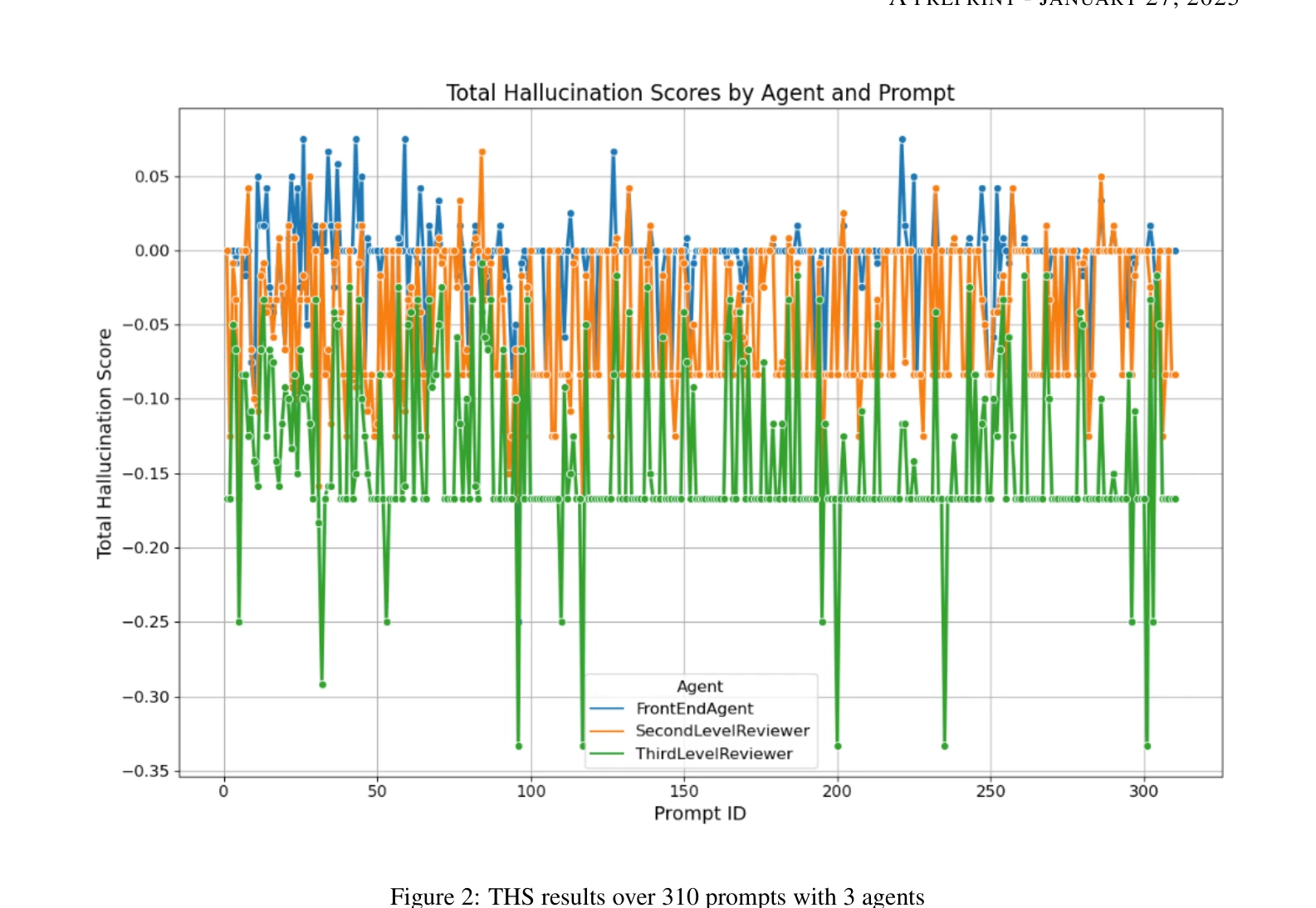
Figure 2: THS results over 310 prompts with 3 agents
본 논문은 LLM의 hallucination 문제를 해결하기 위해 multi-agent orchestration 접근법을 제시한다. OVON framework 기반 NLP 인터페이스를 통해 여러 specialized agent들이 협력하여 hallucination을 단계적으로 탐지하고 완화하는 시스템을 구현하고, 새로운 KPI들을 도입하여 hallucination mitigation 효과를 정량화한다.
Motivation
Known: LLM hallucination은 inevitable하며 완전한 제거가 불가능함이 증명되었다. Multi-agent 환경을 통한 hallucination mitigation 가능성이 최근 연구에서 탐색되고 있으며, 선행 연구에서 GPT-4와 Llama3-70b 같은 고급 모델들이 hallucination 식별과 수정에 85-100% 정확도를 보였다.
Gap: 기존 multi-agent hallucination mitigation 연구는 제한적인 규모의 테스트에 집중하였고, NLP 기반 structured communication protocol(JSON messages)을 통한 transparent inter-agent 정보 전달의 효과에 대한 체계적 평가가 부족하다. 또한 hallucination mitigation의 정량적 평가를 위한 표준화된 KPI 체계가 미흡하다.
Why: Hallucination은 AI 시스템의 신뢰성을 근본적으로 훼손하는 문제이며, 자동화된 multi-agent 파이프라인을 통해 이를 체계적으로 완화할 수 있다면 AI의 reliability와 explainability 향상에 중대한 기여를 할 수 있다. 표준화된 NLP 기반 framework를 통한 agent 간 상호운영성 확보는 scalable하고 transparent한 AI 시스템 개발에 필수적이다.
Approach: 310개의 hallucination 유도용 prompts를 설계하여 front-end agent에 입력하고, 다단계 review 파이프라인(2단, 3단, 4단 agent)을 구성한다. 각 agent는 서로 다른 LLM과 전략을 적용하여 unverified claims 탐지, disclaimer 추가, speculative content 명확화를 수행한다. OVON framework의 structured JSON messages를 통해 agent 간 hallucination likelihood 평가와 reasoning을 공유한다. 새로운 KPI들(Factual Claim Density, Factual Grounding References, Fictional Disclaimer Frequency, Explicit Contextualization Score)을 도입하여 Total Hallucination Score(THS)를 계산하고 4단 evaluation agent가 이를 검증한다.
Achievement
Figure 2: THS results over 310 prompts with 3 agents
Multi-agent 파이프라인의 hallucination 완화 효과: 310개 prompts에 대해 3개 agent로 구성된 파이프라인이 progressive hallucination score reduction 달성. Novel KPI 체계 개발: Factual Claim Density, Factual Grounding References, Fictional Disclaimer Frequency, Explicit Contextualization Score 등 4개 새로운 지표로 hallucination 수준을 정량화. OVON 기반 inter-agent communication 효과 입증: Structured JSON message 기반 agent 상호작용이 context 보존 및 transparency 향상을 통해 system 신뢰성 증진. AI explainability 개선: Speculative content의 명확한 구분과 explicit disclaimers 추가로 AI 생성 응답의 해석 가능성 향상.
How
Figure 2: THS results over 310 prompts with 3 agents
310개의 hallucination 유도 prompts를 체계적으로 설계하여 다양한 hallucination 시나리오 커버
총평: 본 논문은 multi-agent orchestration을 통한 hallucination mitigation의 실질적 가능성을 보여주는 의미 있는 empirical study이며, OVON 기반 structured communication과 novel KPI 체계는 AI reliability 향상에 기여할 수 있다. 다만 제한된 LLM 범위, prompt 대표성의 불명확성, KPI 타당성 검증 부족, 그리고 underlying LLM의 black-box 한계에 대한 해결책 부재로 인해 방법론의 엄밀성과 결과의 일반화 가능성이 제한된다.
후속 연구SPECTER2 유사도 0.92로 Multimodal Biomedical Data Fusion와 LLM Benchmarking and Agent Evaluation가 맞닿아, 'Hallucination mitigation using agentic ai natural language-based frameworks'가 이 ICML 2026 논문의 배경·대안·응용 맥락을 보완한다.