⚠️ 이 페이지의 요약·평가·해설은 생성형 AI(Claude)가 자동 생성한 2차적 분석물입니다. 논문 원문의 저작권은 원저작자에게 있으며, 정확한 내용은 원문(위 DOI·arXiv 등 출처)을 확인하세요.
라이선스: OpenReview 공개(오픈액세스)
Essence
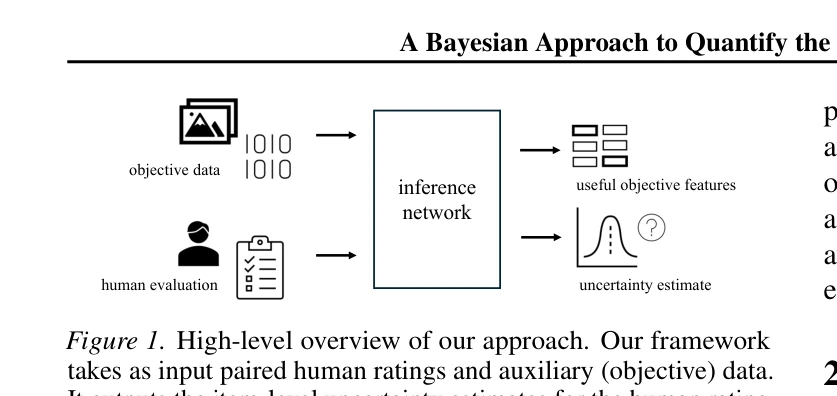
Figure 1. High-level overview of our approach. Our framework
본 논문은 human rating의 item-level 불확실성을 반복 측정 없이 auxiliary objective data(예: fMRI)와의 paired 정보만으로 추정하는 Bayesian graphical model을 제안한다. shared latent content representation과 data-conditioned prior를 갖는 latent uncertainty variable을 통해 subjective rating의 fluctuation을 모델링하고, amortized variational inference로 이를 학습한다.
Motivation
Known: human rating의 신뢰도는 전통적으로 여러 rater의 반복 측정을 통한 inter-rater reliability 분석(Dawid & Skene 등)으로 추정되며, heteroscedastic regression, evidential regression, deep ensemble 등은 예측 시 aleatoric uncertainty를 추정하는 대표적 방법이다. 또한 joint VAE 및 multimodal generative model들은 입력 데이터와 라벨의 joint distribution을 학습해 왔다.
Gap: 기존 방법들은 반복 측정 데이터를 요구하거나(불가능하거나 비용이 큰 경우가 많음), 라벨을 신뢰할 수 있는 ground-truth target으로 가정해 라벨 자체의 불확실성을 모델링하지 못한다. 또한 auxiliary 데이터의 어떤 특징이 실제로 rating uncertainty와 관련 있는지 구분하지 못해, 객관적 데이터의 노이즈를 rating instability로 오인할 위험이 있다.
Why: 반복 rater 측정이 현실적으로 불가능한 precision psychiatry 등 고비용 도메인에서, single-instance(단일 측정)만으로 rating의 신뢰도를 정량화할 수 있다면 downstream 진단·의사결정의 보정(calibration)과 재평가에 실질적으로 기여할 수 있다.
Approach: shared latent content variable과 item-specific latent uncertainty variable, 그리고 objective data의 유의미한 feature를 선택하는 learnable mask를 결합한 Bayesian graphical model을 설계하고, modality-appropriate neural encoder/decoder 기반의 amortized variational inference로 posterior를 근사한다.
Achievement
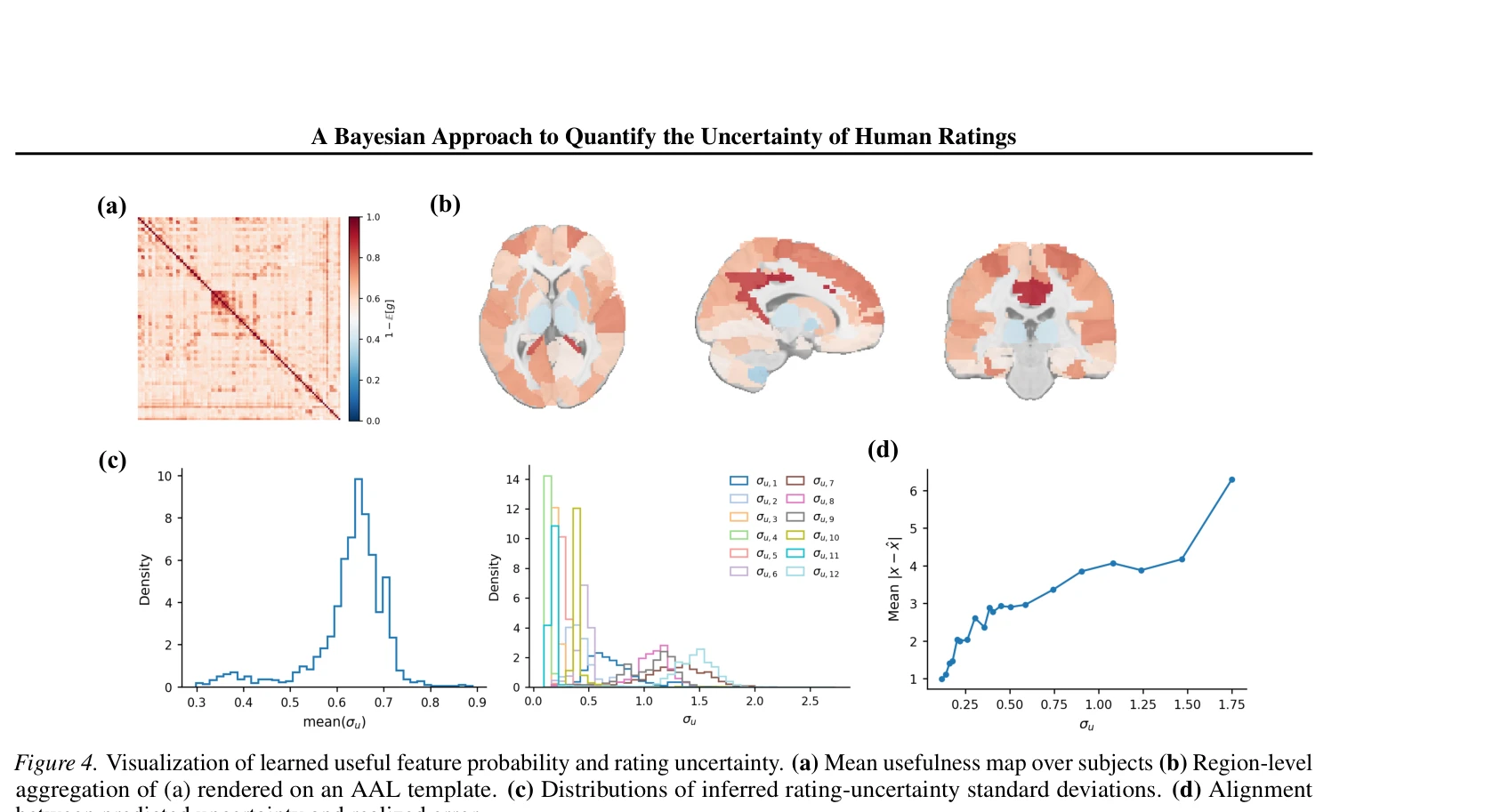
Figure 4. Visualization of learned useful feature probability and rating uncertainty. (a) Mean usefulness map over subje
합성 데이터에서의 잠재 변수 복원: 알려진 ground-truth가 있는 synthetic data 실험에서 제안 모델이 latent content와 uncertainty를 정확히 분리·복원함을 보였다.
Ablation 및 stress test를 통한 각 구성요소의 효과 검증: 각 모델 구성요소(shared latent content, uncertainty prior, feature mask)의 기여를 정량적으로 확인했다.
실제 fMRI-behavioral 데이터셋 적용: autism 관련 paired functional MRI와 behavioral testing 데이터에서 heteroscedastic regression, deep ensembles, evidential regression, multimodal baseline 대비 예측 구간(coverage)과 point estimation 성능이 향상됨을 입증했다.
How
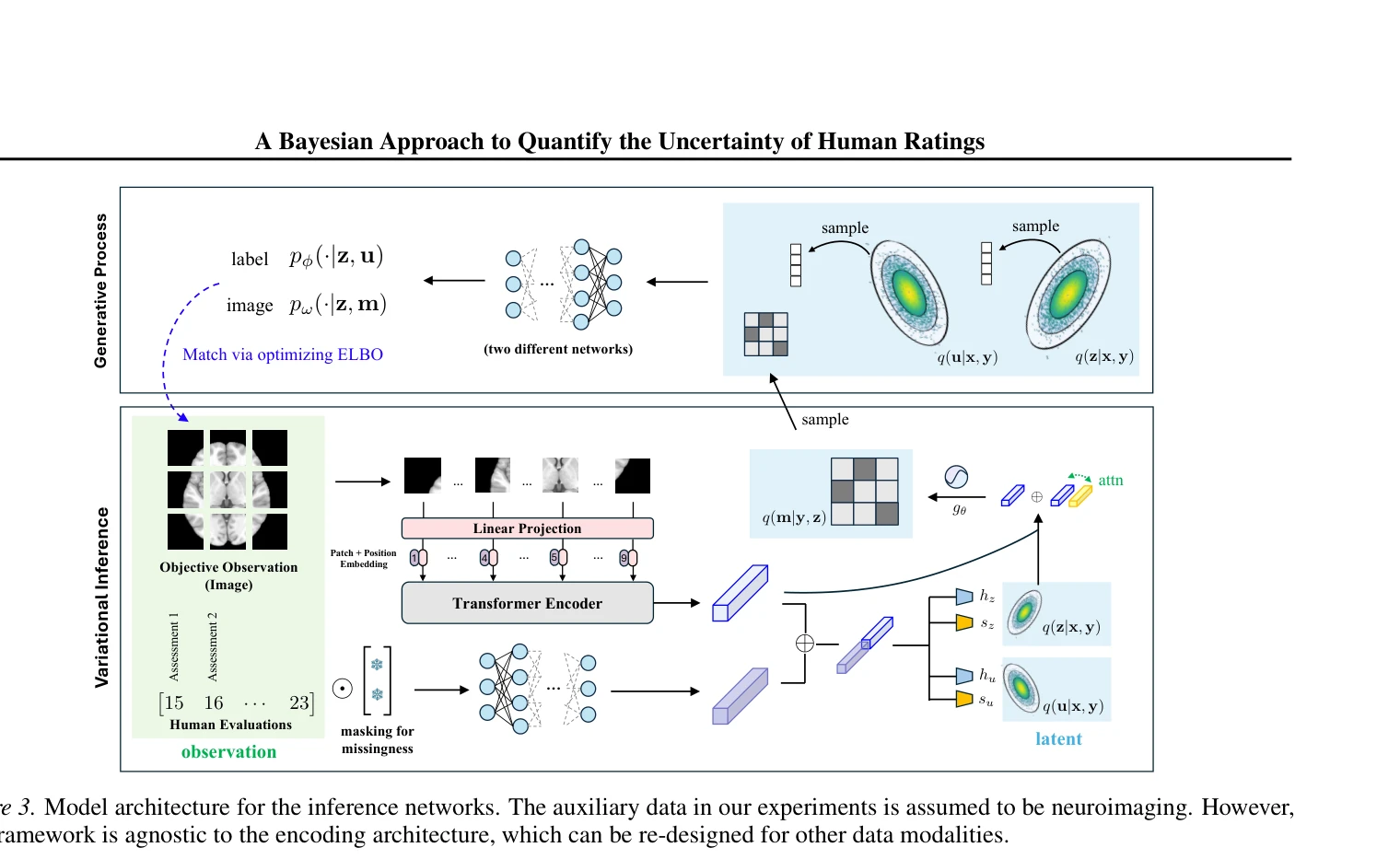
Figure 3. Model architecture for the inference networks. The auxiliary data in our experiments is assumed to be neuroima
human rating과 auxiliary objective data가 공유하는 latent content representation을 정의
data-conditioned prior를 갖는 latent uncertainty variable을 도입해 human rating의 fluctuation을 모델링
objective data 중 content와 관련된 성분과 무관한 noise 성분을 구분하는 learnable feature-selection mask를 학습
기반 연구SPECTER2 유사도 0.89로 Statistical Causal Inference Methods와 LLM Benchmarking and Agent Evaluation가 맞닿아, 'Model-in-the-loop (milo): Accelerating multimodal ai data annotation with llms'가 이 ICML 2026 논문의 배경·대안·응용 맥락을 보완한다.