⚠️ 이 페이지의 요약·평가·해설은 생성형 AI(Claude)가 자동 생성한 2차적 분석물입니다. 논문 원문의 저작권은 원저작자에게 있으며, 정확한 내용은 원문(위 DOI·arXiv 등 출처)을 확인하세요.
라이선스: OpenReview 공개(오픈액세스)
Essence
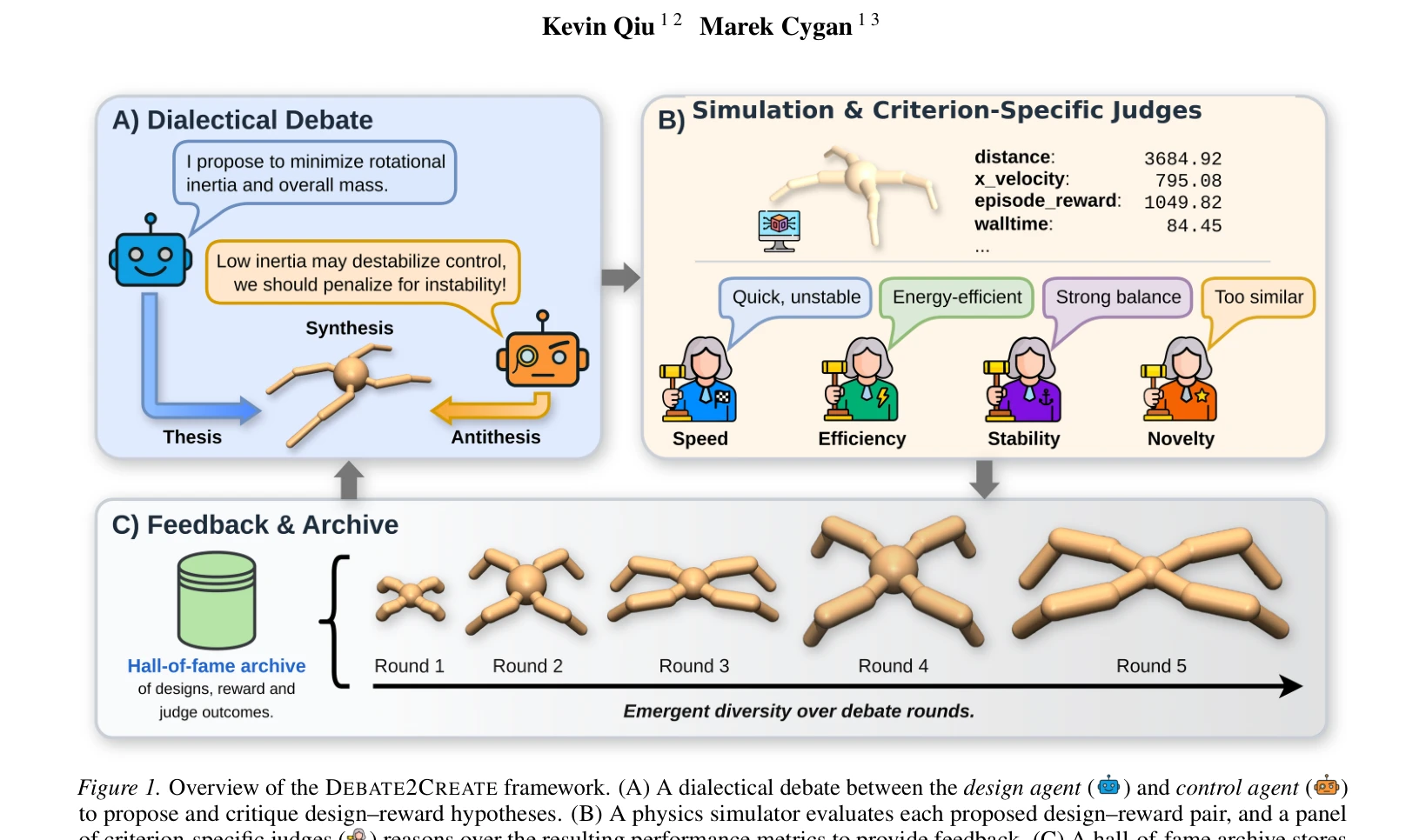
Figure 1. Overview of the DEBATE2CREATE framework. (A) A dialectical debate between the design agent (
DEBATE2CREATE(D2C)는 로봇의 morphology와 reward function을 공동 최적화하는 문제를 design agent와 control agent 간의 thesis-antithesis-synthesis 구조의 multi-agent LLM debate로 정식화하고, criterion-specific LLM judge들의 피드백과 physics simulator 기반 평가로 탐색을 유도하는 프레임워크이다.
Motivation
Known: LLM을 활용해 reward code를 생성하거나(Eureka 등) morphology edit을 제안하는 연구들이 존재했으며, robot co-design 문제 자체는 body-controller synergy를 통해 fixed-body/fixed-reward 대비 성능 향상이 가능함이 알려져 있다.
Gap: 기존 LLM 기반 파이프라인들은 대부분 morphology와 reward를 독립적인 문제로 다루어 co-adaptation 기회를 놓치고, single-agent generation은 익숙한 패턴을 반복 사용해 탐색 다양성이 co-design에 필요한 수준에 미치지 못한다는 한계가 있다.
Why: morphology와 reward가 비선형적으로 강하게 결합되어 있는 co-design 문제를 효과적으로 다루는 것은 exhaustive search가 불가능한 고차원 공간에서 body-controller synergy를 발견하기 위해 중요하며, 이는 fixed 설계 방식으로는 달성 불가능한 성능 향상을 가능하게 한다.
Approach: design agent와 control agent가 thesis-antithesis-synthesis 루프를 통해 design-reward hypothesis를 제안·비판·수정하고, 이를 Brax 기반 physics simulator에서 학습·평가한 뒤 criterion-specific LLM judge 패널이 다목적 피드백을 제공하여 다음 라운드 탐색을 유도하는 구조적 반복 debate 접근법을 취한다.
Achievement
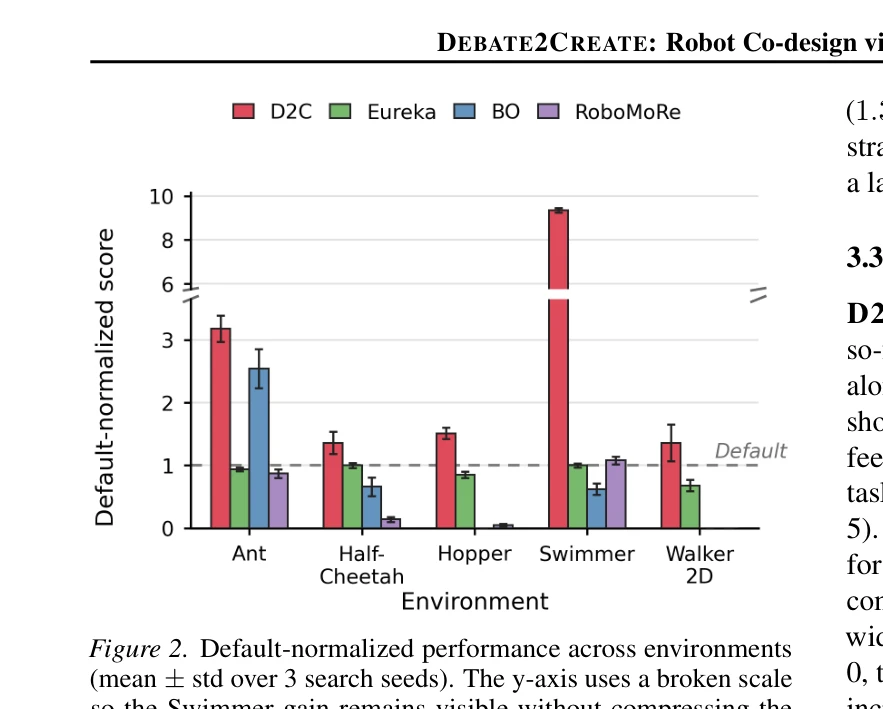
Figure 2. Default-normalized performance across environments
최고 성능 달성: 5개의 MuJoCo locomotion benchmark에서 D2C가 평가된 LLM 기반 및 black-box baseline 중 가장 높은 default-normalized score를 달성했으며, Ant에서 최대 3.2배, Swimmer에서 거의 9배의 성능 향상을 보였다.
반복 debate의 효과 입증: iterative debate가 compute-matched zero-shot generation 대비 18-35%의 성능 향상을 가져옴을 확인했다.
reward의 전이 가능성 확인: cross-over 실험을 통해 D2C가 생성한 reward가 5개 task 중 4개에서 default morphology에도 전이되어 성능을 개선함을 보여, 학습된 shaping이 morphology-specific hack이 아닌 전이 가능한 locomotion 원리를 포착함을 시사했다.
높은 안정성: reward code가 첫 시도에서 97% 컴파일 성공률을 보였고, self-repair를 통해 두 번의 시도 내 99%의 실패가 해결되었으며, 전체적으로 <1%의 candidate만 폐기되었다.
How
Figure 1. Overview of the DEBATE2CREATE framework. (A) A dialectical debate between the design agent (
문제 정식화: robot co-design을 morphology m과 reward r을 공동 선택하는 문제로 정식화하며, 최적 policy π*(m,r)는 RL을 통해 얻어지고 표준화된 task score S(m,π)로 평가함(Eq. 1, 2).
thesis-antithesis-synthesis debate: design agent가 초기 design edit을 제안(thesis)하면 control agent가 통제 관점에서 비판(antithesis)하고, design agent가 이를 반영해 수정안(synthesis)을 제시하는 구조로 값비싼 simulation 전에 불안정한 design을 걸러냄.
design agent: robot design engineer 역할로, 현재 design, task 설명, 최근 simulation 성능 지표, hall-of-fame archive digest를 입력받아 design parameter 수정을 제안.
control agent: reward function engineer 역할로, antithesis 단계에서 thesis design을 비판하고, synthesis design에 맞춘 reward function 코드를 사전 정의된 template에 따라 생성(Eureka 방식 확장, morphology에 조건화).
reliability: syntax checking과 단일 rollout 테스트로 reward code를 검증하고, 실패 시 traceback 기반 self-repair를 수행하며 XML validation으로 morphology 제약 위반을 걸러냄.
criterion-specific judges: 속도, 안정성, 에너지 효율, novelty 각각을 담당하는 4개의 LLM judge가 top-scoring candidate의 성능 지표를 분석해 텍스트 피드백을 제공, 두 agent에 전달됨.
archive 및 grounding: 모든 평가된 (m, r) 쌍을 task score S로 순위화한 hall-of-fame archive를 유지하며, 모든 선택·순위 결정은 simulator score에 기반하고 LLM judge는 피드백만 제공하여 LLM 선호가 아닌 물리 기반 성능이 최종 결정을 지배하도록 함.
실험 setup: 5개 MuJoCo locomotion task에서 3개의 독립 seed로 search phase를 수행 후 best design-reward pair를 최종 평가하는 2단계 프로토콜 사용.
Originality
morphology와 reward를 별개로 다루던 기존 LLM 기반 co-design 접근과 달리, thesis-antithesis-synthesis 구조의 role-separated debate loop로 cross-agent critique를 통해 두 요소를 공동 최적화하는 최초의 프레임워크를 제안함.
criterion-specific LLM judge 패널을 도입해 단일 목적함수가 아닌 다목적(속도, 안정성, 에너지 효율, novelty) 피드백으로 탐색 다양성을 유도하는 새로운 메커니즘을 제시함.
LLM debate의 최종 판단을 persuasiveness가 아닌 physics simulator의 객관적 task score에 grounding하여, 기존 LLM debate 연구들과 차별화되는 평가 방식을 채택함.
Limitation & Further Study
fixed-topology, per-candidate-RL 프로토콜 하에서만 검증되어, topology 자체의 변화(예: limb 추가/제거 등 구조적 변화)를 다루는 co-design에는 적용되지 않았을 가능성이 있어 확장성 검증이 필요하다.
5개의 MuJoCo locomotion benchmark에 국한된 평가로, 더 복잡한 실제 로봇이나 다른 task 도메인(예: manipulation)으로의 일반화 가능성은 추가 검증이 필요하다.
reward 전이가 5개 중 4개 task에서만 성공했으며, 실패 사례에 대한 원인 분석이 본문 발췌에서 충분히 제시되지 않아 실패 조건에 대한 이해가 부족하다.
criterion-specific judge의 수와 기준(4개: 속도, 안정성, 에너지, novelty)이 고정되어 있어, 다른 task 도메인에 맞는 judge 기준 설계 및 그 민감도에 대한 추가 분석이 필요하다.
LLM 호출 비용과 debate round 수(K)에 따른 계산 비용 대비 성능 trade-off에 대한 상세한 분석이 부족해 실용적 확장성 판단이 어렵다.
총평: robot co-design 문제를 multi-agent LLM debate로 정식화하고 physics simulator에 grounding된 평가를 통해 morphology와 reward를 공동 최적화하는 참신하고 잘 설계된 프레임워크로, 다양한 baseline 대비 확실한 성능 향상과 reward 전이 가능성을 실증적으로 보여준 의미 있는 연구이다.
기반 연구SPECTER2 유사도 0.91로 Computational Molecular Design와 LLM Benchmarking and Agent Evaluation가 맞닿아, 'From LLM Reasoning to Autonomous AI Agents: A Comprehensive Review'가 이 ICML 2026 논문의 배경·대안·응용 맥락을 보완한다.
기반 연구SPECTER2 유사도 0.92로 Computational Molecular Design와 LLM Benchmarking and Agent Evaluation가 맞닿아, 'MLGym: A new framework and benchmark for advancing ai research agents'가 이 ICML 2026 논문의 배경·대안·응용 맥락을 보완한다.
기반 연구SPECTER2 유사도 0.91로 Computational Molecular Design와 Agentic AI for Scientific Automation가 맞닿아, 'ENPIRE: Agentic Robot Policy Self-Improvement in the Real World'가 이 ICML 2026 논문의 배경·대안·응용 맥락을 보완한다.
기반 연구SPECTER2 유사도 0.91 기준으로 'Debate2Create: Robot Co-design via Multi-Agent LLM Debate'의 AI4S 방법론을 'A Survey of AI Scientists'의 과학 생산·평가 맥락과 함께 보면 연구 자동화의 의미를 입체적으로 볼 수 있다.