⚠️ 이 페이지의 요약·평가·해설은 생성형 AI(Claude)가 자동 생성한 2차적 분석물입니다. 논문 원문의 저작권은 원저작자에게 있으며, 정확한 내용은 원문(위 DOI·arXiv 등 출처)을 확인하세요.
라이선스: OpenReview 공개(오픈액세스)
Essence
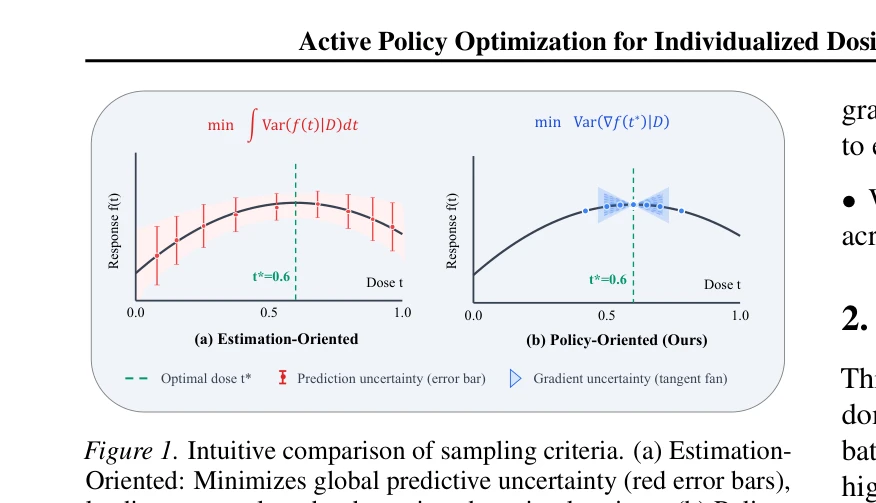
Figure 1. Intuitive comparison of sampling criteria. (a) Estimation-
GP 기반 dose-response 모델링에서 policy optimization regret이 추정된 최적 dose에서의 posterior gradient variance로 상한이 잡힌다는 이론적 결과를 제시하고, 이를 바탕으로 gradient variance를 최소화하는 batch active learning 기법 GVALID를 제안한다.
Motivation
Known: 기존 causal inference의 active learning 연구는 주로 binary treatment에서의 treatment effect estimation error 혹은 posterior variance 감소를 목표로 하며, continuous dose 설정으로 확장되더라도 dose-response function 전체의 predictive accuracy를 높이는 uncertainty 기반 전략에 초점을 맞춰왔다.
Gap: policy optimization은 global estimation과 동일하지 않음에도, 명백히 suboptimal한 dose 영역까지 fitting을 위해 예산을 할당하는 estimation-oriented 방식은 낭비를 초래하며, continuous dose 하에서 policy value 극대화에 직접 정렬된 batch sampling 기법은 부재했다.
Why: 의료·마케팅 등 실험 비용이 매우 높은 도메인에서 엄격한 예산 제약 하에 개인화된 최적 dosing policy를 효율적으로 학습하는 것은 실질적 가치가 크며, 이를 위해 sampling criterion을 policy value maximization에 직접 맞추는 접근은 sample efficiency를 크게 향상시킬 수 있다.
Approach: dose-response curve의 unimodal 구조(생물학적 최적 dose 부근의 안정적 곡률)를 활용하여 policy optimization regret을 posterior mean 정책의 gradient posterior variance로 상한을 증명하고, 이를 최소화하는 batch acquisition 전략인 GVALID를 GP surrogate 모델 위에서 설계했다.
Achievement
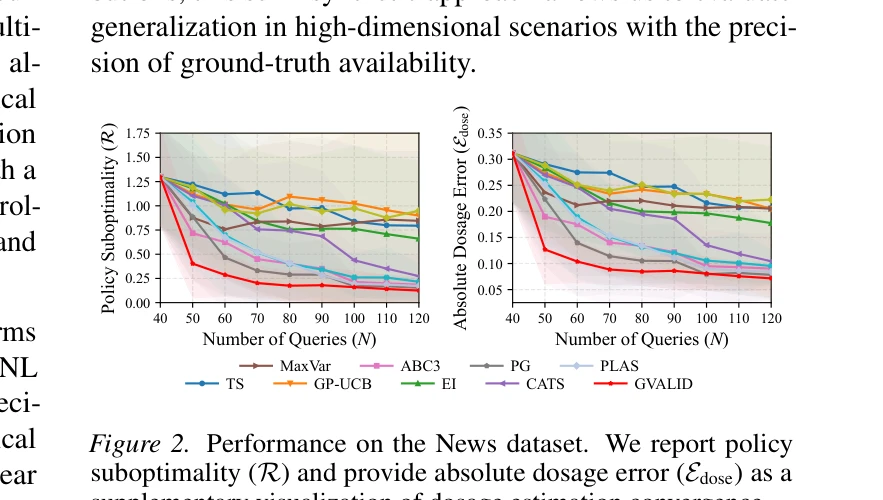
Figure 2. Performance on the News dataset. We report policy
이론적 regret bound 제시: Bayes regret 상한이 policy-recommended dose에서의 gradient posterior variance로 통제됨을 증명하여, stationarity 불확실성 감소가 정책 최적화의 핵심임을 규명함. 2. GVALID 알고리즘 제안: representative population 상의 현재 policy 추천 dose 주변에서 gradient variance를 탐욕적으로 최소화하는 batch 샘플링 전략을 GP 기반으로 구현함. 3. 실증적 우위 검증: 엄격한 예산 제약 하에서 estimation-oriented baseline 대비 더 빠른 policy improvement를 달성함을 여러 budget-limited 설정과 News 데이터셋 등에서 확인함.
How
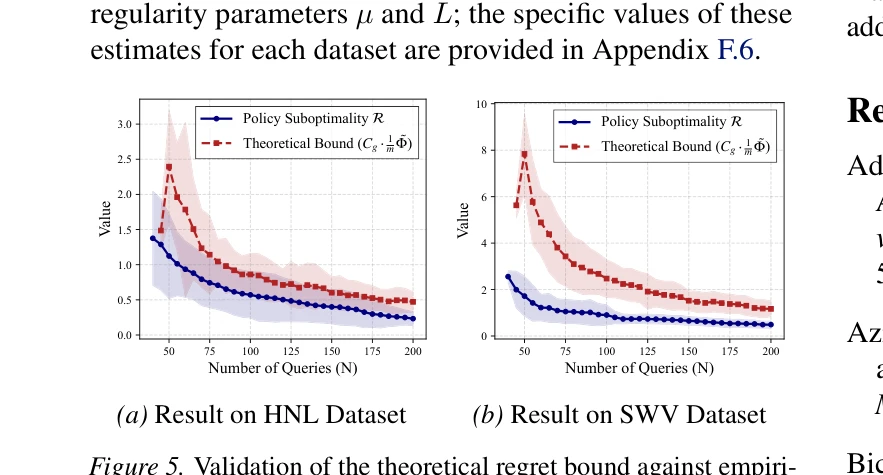
Figure 5. Validation of the theoretical regret bound against empiri-
GP surrogate model로 dose-response function f(x,t)를 모델링
현재 policy가 추천하는 최적 dose t*를 대표 population(covariate) 상에서 산출
각 라운드마다 target location(t* 부근)에서의 gradient posterior variance를 기대값으로 최소화하는 방향으로 batch 개입(dose-covariate 쌍)을 탐욕적으로 선택
one-shot 및 batch 실험 제약(batched contextual bandit 세팅과 유사) 하에서 순차적으로 policy와 allocation rule을 업데이트
이론적으로 도출된 regret bound(gradient variance 기반)를 실증적으로 검증(Figure 5)
Originality
기존 active causal learning이 binary treatment의 effect estimation에 집중한 것과 달리, continuous dosing에서 policy optimization을 직접 타겟으로 한 최초의 batch active learning framework 제안
policy regret을 gradient posterior variance로 상한 짓는 이론적 연결고리를 최초로 제시, decision-focused sampling criterion을 유도
best-arm identification 관점을 continuous dose 및 individualized 설정으로 확장하면서 smooth dose-response geometry를 활용한 tractable gradient-variance surrogate를 도입
estimation-oriented(전역 예측 불확실성 감소) 방식과 policy-oriented(gradient uncertainty 중심) 방식을 명확히 대비시켜 새로운 샘플링 패러다임 제시
Limitation & Further Study
unimodal dose-response 구조와 curvature 안정성 등 특정 smoothness 가정에 이론적 결과가 의존하므로, 다봉형(multi-modal) 또는 불규칙한 dose-response 상황에서는 적용성이 제한될 수 있음
GP surrogate 및 continuous dose space [0,1] 가정 하에서 이론이 전개되어, 고차원 covariate나 복잡한 실제 임상 환경으로의 확장성 검증이 추가로 필요함
one-shot/batch 제약 하 실험이 제한된 데이터셋(News 등)과 시뮬레이션 중심으로 이루어져, 실제 임상시험과 같은 노이즈가 크고 이질적인 환경에서의 강건성에 대한 추가 검증이 요구됨
대표 population 선정 및 batch size, initial ratio 등 하이퍼파라미터에 대한 민감도가 있어 실제 적용 시 튜닝 비용이 발생할 수 있음
총평: continuous dosing policy 최적화를 위한 active learning이라는 중요하지만 상대적으로 덜 탐구된 문제에 이론적 근거와 실용적 알고리즘을 함께 제시한 견실한 연구로, 의료 및 마케팅 등 예산 제약이 큰 실세계 응용에 실질적 기여를 할 수 있는 논문이다.