์ ์: Yucheng Xin, Jiacheng Bao, Haoran Yang, W. Que, Dong Wang, Junbo Tan | ๋ ์ง: 2026-04-23 | URL: https://arxiv.org/abs/2604.21351 📄 PDF
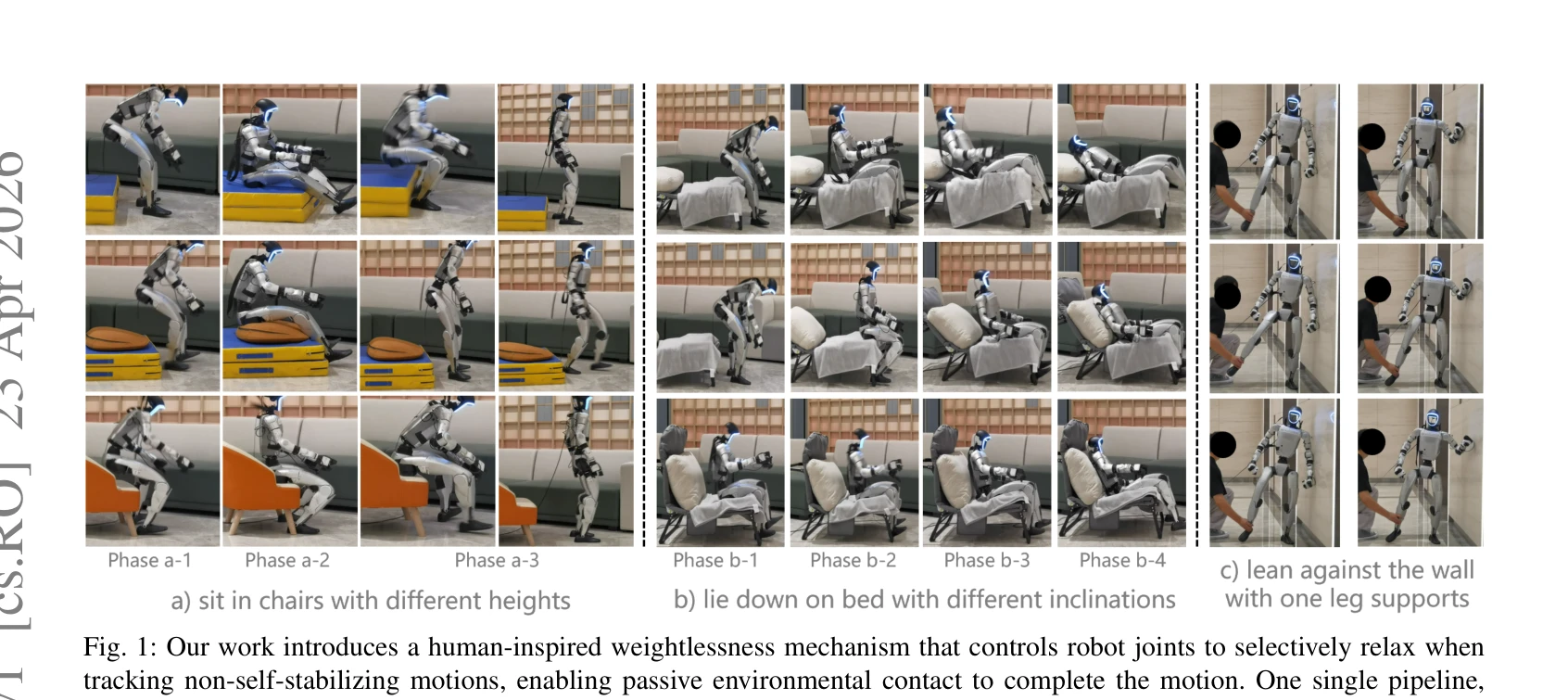
Fig. 1: Our work introduces a human-inspired weightlessness mechanism that controls robot joints to selectively relax wh
ํด๋จธ๋ ธ์ด๋ ๋ก๋ด์ด ๋น์๊ธฐ์์ ํ(non-self-stabilizing) ๋์์ ์ํํ ๋ ์ธ๊ฐ์ '๋ฌด์ค๋ ฅ ์ํ' ๋ฉ์ปค๋์ฆ์ ๋ชจ๋ฐฉํ์ฌ ํน์ ๊ด์ ์ ์ ํ์ ์ผ๋ก ์ด์์ํด์ผ๋ก์จ ํ๊ฒฝ๊ณผ์ ๋ฌผ๋ฆฌ์ ์ ์ด์ ํตํด ๋์์ ์์ฑํ๋ ๋ฐฉ๋ฒ์ ์ ์ํ๋ค.
Fig. 1: Our work introduces a human-inspired weightlessness mechanism that controls robot joints to selectively relax wh
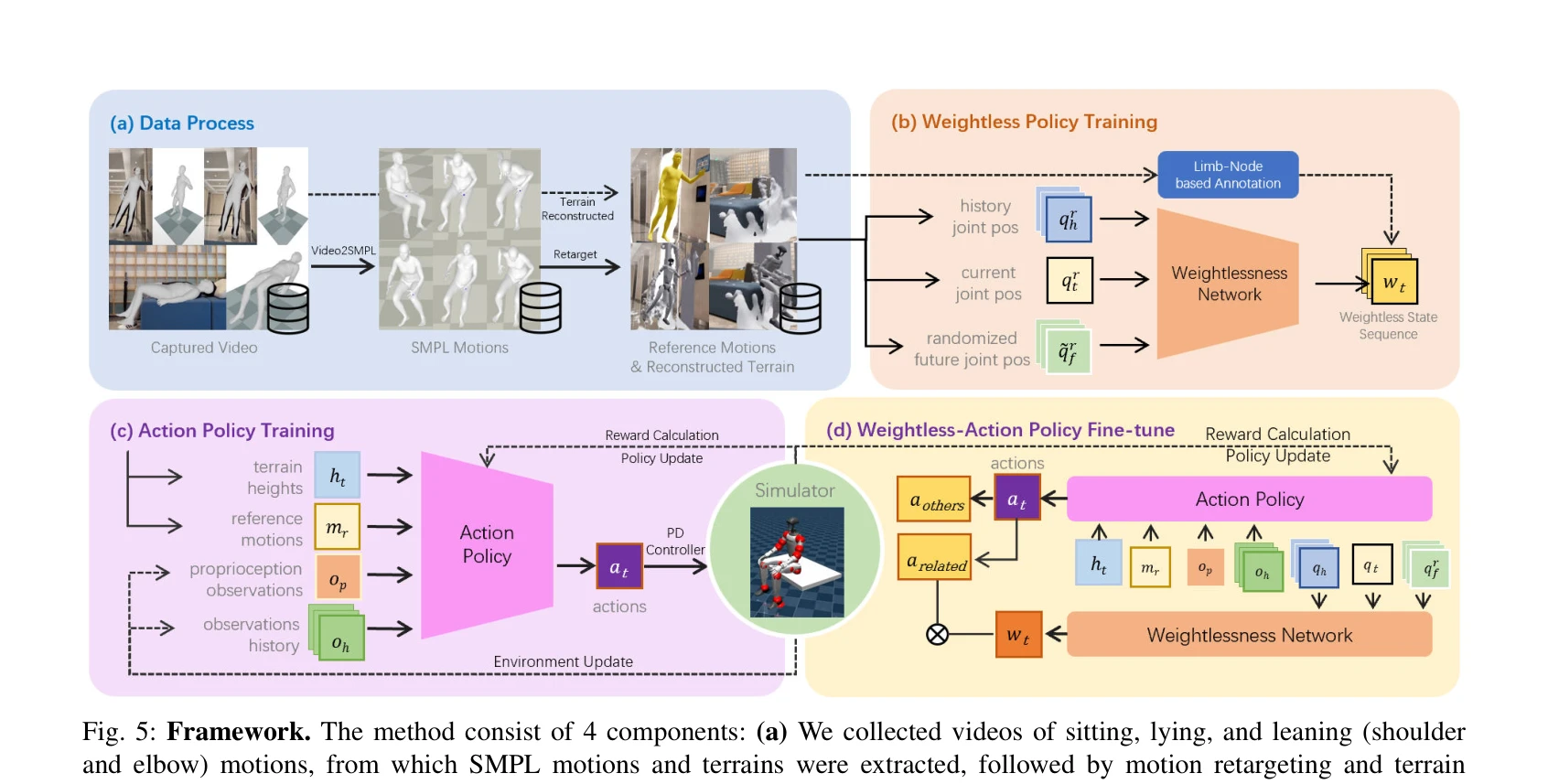
Fig. 5: Framework. The method consist of 4 components: (a) We collected videos of sitting, lying, and leaning (shoulder
์ดํ: ๋ณธ ๋ ผ๋ฌธ์ ์ธ๊ฐ์ ์๋ฌผํ์ ๋ฉ์ปค๋์ฆ์ ๋ก๋ด ์ ์ด์ ์ฐฝ์์ ์ผ๋ก ์ ์ฉํ์ฌ ๋น์๊ธฐ์์ ํ ๋์์ด๋ผ๋ ๋ฏธํด๊ฒฐ ๋ฌธ์ ๋ฅผ ํด๊ฒฐํ๋ ์ฐ์ํ ์ฐ๊ตฌ์ด๋ฉฐ, Unitree G1์์์ ์ค์ ๊ฒ์ฆ๊ณผ ๋ค์ํ ํ๊ฒฝ์ ๋ํ ์ผ๋ฐํ ์ฑ๋ฅ์ ๋ก๋ด ๊ณตํ์ ์ค์ง์ ์ง์ ์ ๋ณด์ฌ์ค๋ค.