⚠️ 이 페이지의 요약·평가·해설은 생성형 AI(Claude)가 자동 생성한 2차적 분석물입니다. 논문 원문의 저작권은 원저작자에게 있으며, 정확한 내용은 원문(위 DOI·arXiv 등 출처)을 확인하세요.
라이선스: CC BY
Essence
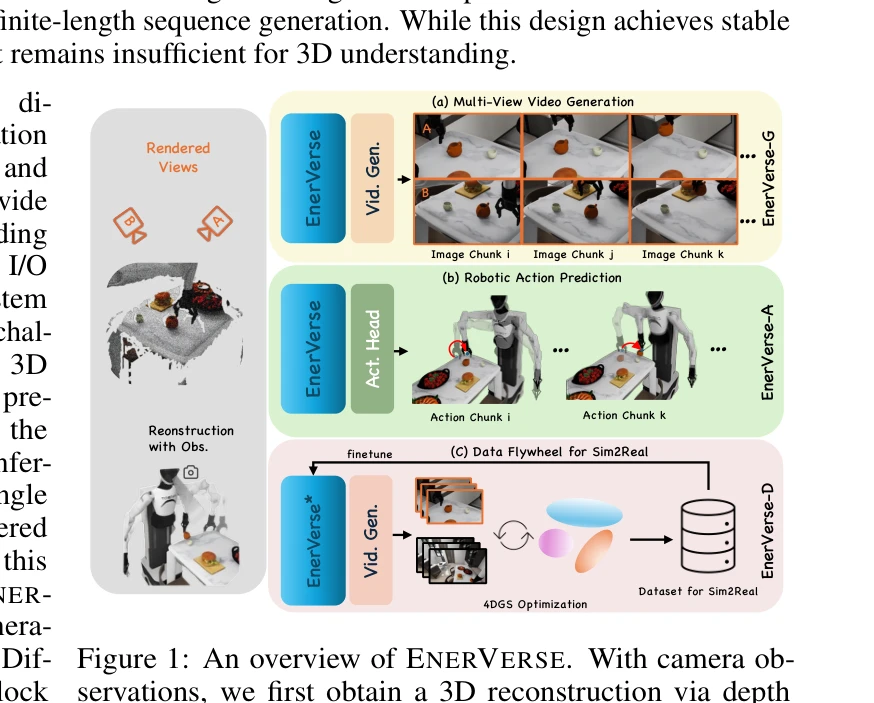
Figure 1: An overview of ENERVERSE. With camera ob-
EnerVerse는 chunk-wise autoregressive video diffusion과 sparse memory를 활용하여 instruction으로부터 embodied future space를 예측하고, multi-view video generation과 4D Gaussian Splatting 기반 data flywheel을 통해 로봇 조작을 위한 generative foundation model을 제시한다.
Motivation
Known: Video generation 모델들은 high-quality spatiotemporal prediction이 가능하며, 최근 연구들은 video generation 모델을 로봇 조작 예측에 적용하려는 시도를 하고 있다.
Gap: 기존 방법들은 일반 목적의 video generation 모델을 단순히 adapting하여 2D pixel-level 품질을 추구하지만, 3D 로봇 환경과의 substantial gap을 무시하고 action-conditioned 3D dynamics를 제대로 인코딩하지 못한다.
Why: 정확한 3D 미래 공간 예측과 action planning은 로봇의 물리 세계 상호작용 성능을 결정하는 핵심이며, sim-to-real gap 해결은 실제 배포의 필수 조건이다.
Approach: Multi-view diffusion generator로 3D spatial prior를 학습하고, sparse context memory로 long-term reasoning을 가능하게 하며, 4DGS 기반 data flywheel로 geometry-consistent training data를 확보하여 4D world representation을 physical action으로 변환한다.
Achievement
Figure 1: An overview of ENERVERSE. With camera ob-
Chunk-wise Autoregressive Architecture: Sparse memory를 활용하여 약 80% frame drop에도 robust하게 작동하며 이론상 무한 길이 시퀀스 생성 가능
Multi-View Diffusion Generator: Ray direction map과 temporal attention으로 single camera 환경에서도 3D 사전 지식을 활용하여 rendered views를 생성
4DGS-based Data Flywheel: Generative model과 4D Gaussian Splatting을 결합하여 sim-to-real gap을 감소시키는 자체 강화 데이터 루프 구성
State-of-the-Art Performance: Simulation과 real-world tasks 모두에서 최고 성능 달성
Computational Efficiency: Single RTX 4090에서 8-step action chunk당 약 280ms로 실시간 처리 가능
How
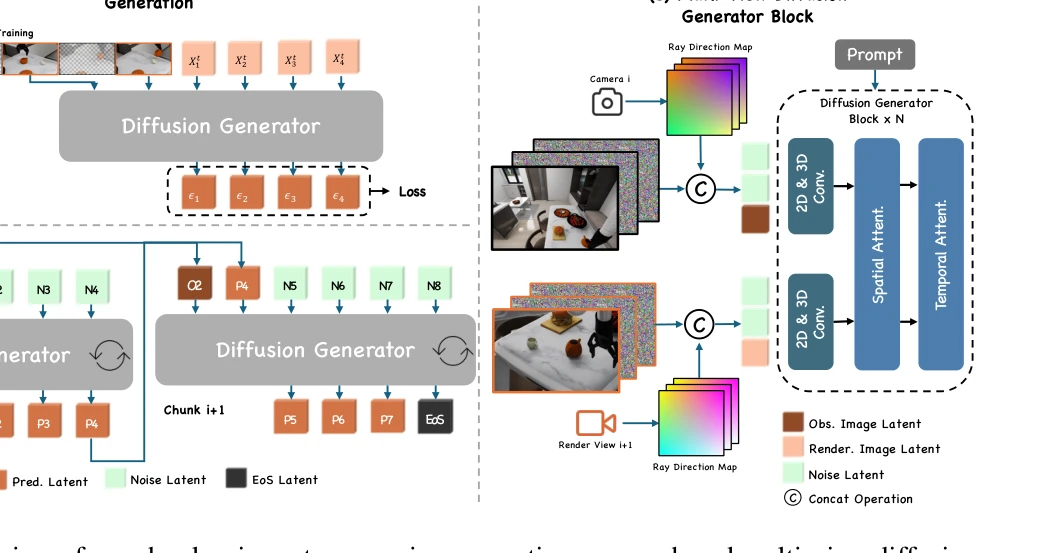
Figure 2: An overview of our chunk-wise autoregressive generation approach and multi-view diffusion
VAE로 observed frames를 latent space에 인코딩하고 diffusion model의 noise prediction 대신 v-prediction 사용
Chunk 단위로 autoregressive하게 다음 frame들을 생성하며, newly generated frames가 다음 iteration의 clean frames가 됨
Training 시 random sampling으로 sparse context를 선택하여 video redundancy 활용 및 OOD robustness 강화
Multi-view diffusion generator block에서 ray direction maps와 spatial/temporal attention을 조합하여 multi-view consistency 학습
4DGS로 observation을 3D reconstruction한 후 rendered views를 생성하여 multi-view training data 자동 생성
Policy head (EnerVerse-A)를 통해 generated video features를 directly physical actions로 변환
EOS detection으로 sequence generation 종료 (각 frame의 EOS와의 L1 distance 기반)
Originality
Chunk-wise autoregressive 방식으로 long-term grounding을 sparse memory로 구현한 novel architecture
Ray direction map 활용으로 single camera에서 multi-view consistency prior 학습
4D Gaussian Splatting과 generative model의 결합을 통한 self-reinforcing data flywheel 구상
Video diffusion을 3D action-conditioned dynamics로 explicitly align하는 관점의 재정의
Limitation & Further Study
Multi-view pre-training을 위한 정확히 calibrated multi-camera 데이터 수집의 노동 집약성
Threshold 기반 EOS detection의 robustness가 실제 환경 변화에 얼마나 강인한지 상세 분석 부족
Single camera deployment 시 rendered views의 품질이 실제 multi-camera 데이터보다 얼마나 열등한지 정량적 평가 필요
총평: EnerVerse는 video diffusion을 로봇 조작에 체계적으로 align하면서 3D spatial prior 학습과 data flywheel을 통해 sim-to-real gap을 해결하는 포괄적인 framework를 제시하며, chunk-wise autoregressive와 sparse memory 설계는 독창적이고 실용적이다.