AMOR: Adaptive Character Control through Multi-Objective Reinforcement Learning
저자: Lucas N. Alegre, Agon Serifi, Ruben Grandia, David Müller, Espen Knoop, Moritz Bächer | 날짜: 2025-05-29 | URL: https://arxiv.org/abs/2505.23708📄 PDF
⚠️ 이 페이지의 요약·평가·해설은 생성형 AI(Claude)가 자동 생성한 2차적 분석물입니다. 논문 원문의 저작권은 원저작자에게 있으며, 정확한 내용은 원문(위 DOI·arXiv 등 출처)을 확인하세요.
라이선스: arXiv 비독점 라이선스
Essence
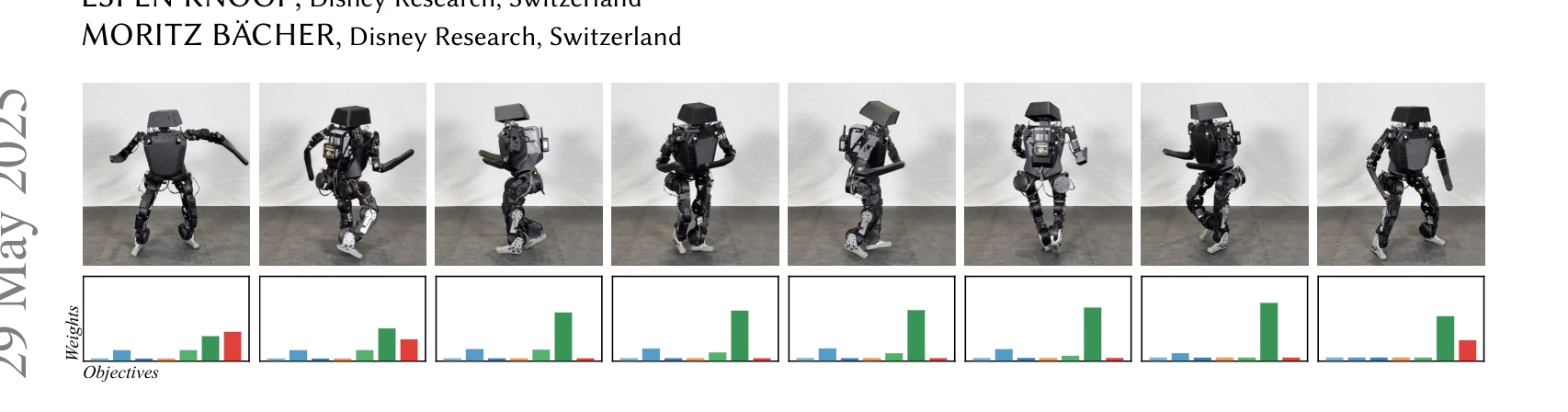
Fig. 1. Our method uses multi-objective reinforcement learning to enable on-the-fly tuning of reward weights post-traini
이 논문은 multi-objective reinforcement learning (MORL)을 활용하여 보상 함수의 가중치를 학습 후에 조정할 수 있는 적응형 캐릭터 제어 방법 AMOR을 제안한다. 기존의 고정된 가중치를 사용하는 방식과 달리, 이 방법은 Pareto front를 따라 다양한 행동을 인코딩하는 단일 정책을 학습함으로써 재훈련 없이 가중치를 조정할 수 있게 한다.
Motivation
Known: 강화학습을 통한 물리 기반 캐릭터 제어는 kinematic reference motion을 추종하는 데 성공적으로 적용되어 왔다. 그러나 기존 방법들은 충돌하는 여러 보상 함수의 가중합을 사용하며, 이는 원하는 행동을 달성하기 위해 광범위한 튜닝이 필요하다. 특히 로봇 응용에서 sim-to-real gap으로 인해 가중치 선택이 더욱 어려워진다.
Gap: 기존 연구는 모두 학습 전에 보상 가중치를 고정해야 하므로, 가중치를 변경할 때마다 처음부터 재훈련해야 한다는 문제가 있다. 또한 단일 정책으로 여러 동작을 추종할 때, 서로 다른 스타일이나 역학의 동작들이 다른 trade-off를 필요로 할 수 있다는 점이 충분히 다루어지지 않았다. 로봇 응용에서 sim-to-real gap에 대응하기 위해 동적으로 가중치를 조정할 수 있는 방법이 부족했다.
Why: 이 연구는 강화학습 기반 캐릭터 제어의 실용성을 크게 향상시킨다. 재훈련 없이 보상 가중치를 조정할 수 있으면 반복 튜닝 시간을 획기적으로 단축할 수 있고, 로봇으로의 sim-to-real transfer를 더욱 효율적으로 수행할 수 있다. 또한 위계적 정책을 통해 동적으로 보상 trade-off를 자동 조정하는 것은 미학적이고 실용적인 가치를 제공한다.
Approach: 논문은 MORL 프레임워크를 사용하여 보상 가중치에 조건부인 단일 정책을 학습한다. 생성자-판별자 접근법을 활용하여 학습을 수행하며, 학습된 정책에서 사후에 가중치를 선택하여 Pareto front를 따라 다양한 행동을 활용할 수 있게 한다. 나아가 상위 정책이 현재 작업에 따라 가중치를 동적으로 선택하는 위계적 구조를 탐색한다.
Achievement
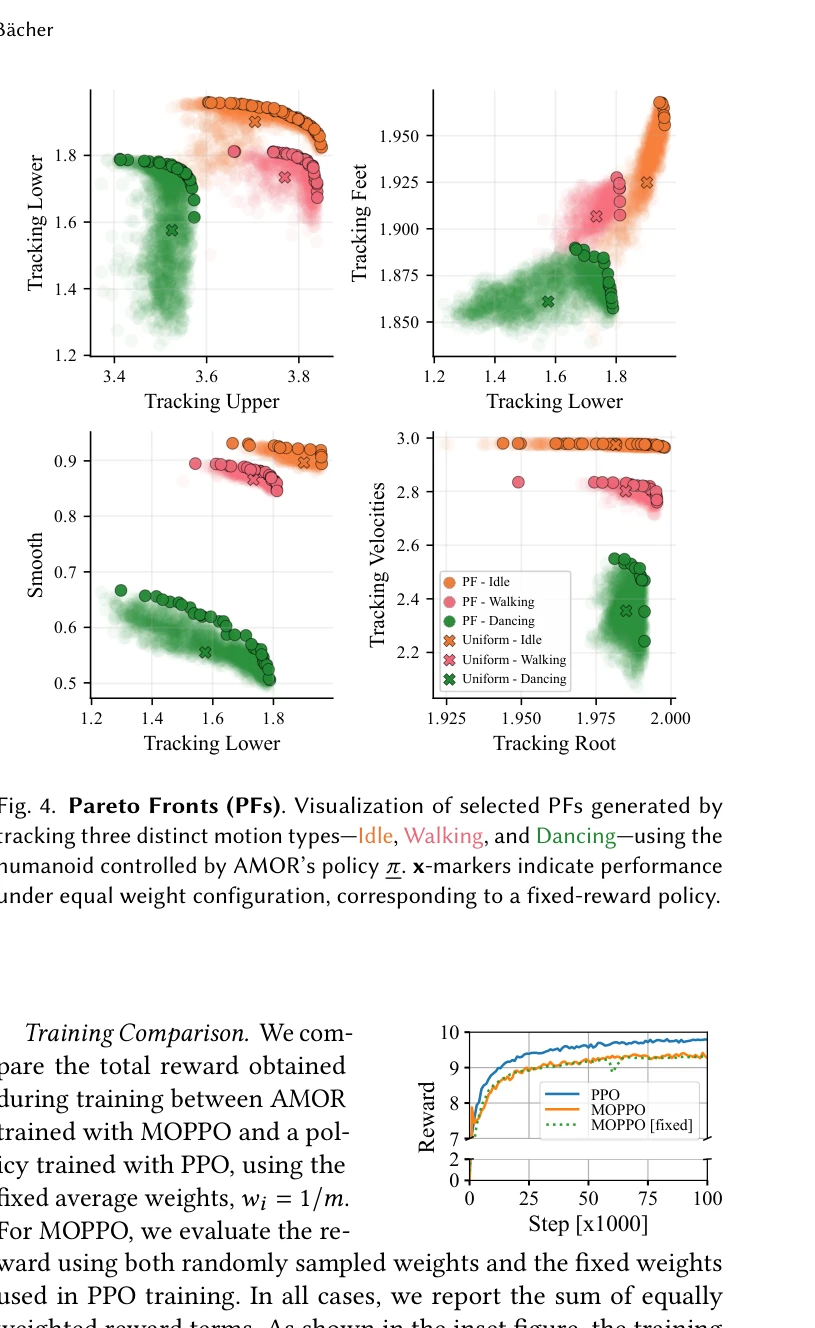
Fig. 4. Pareto Fronts (PFs). Visualization of selected PFs generated by
Context-conditioned MORL 문제 정의: 단일 정책으로 다양한 문맥에 조건부인 Pareto front를 추출하는 새로운 공식화를 제시했다. AMOR 컨트롤러: 보상 가중치와 작업 문맥에 조건부인 제로샷 적응 능력을 갖춘 컨트롤러를 개발했다. 위계적 정책: 실시간으로 보상 가중치를 세밀하게 조정할 수 있는 상위 정책을 제시하여 암묵적 보상의 해석 가능성을 제공했다. 로봇 실험: 동적 동작의 sim-to-real transfer에서 유효성을 입증했다.
How
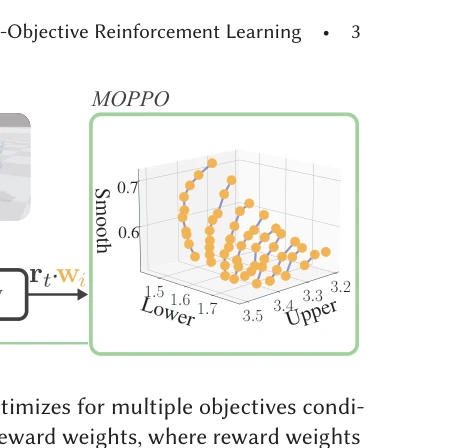
Fig. 2. AMOR Overview. AMOR optimizes for multiple objectives condi-
MORL 프레임워크 내에서 보상 가중치를 정책 입력으로 조건부화하여 가중치에 대한 의존성을 학습한다. - Generator-discriminator 구조를 활용하여 reference motion을 추적하는 정책을 훈련한다. - 학습 후 다양한 가중치 조합으로 정책을 평가하여 Pareto front를 생성한다. - High-level policy가 lower-level policy의 가중치를 동적으로 조정하는 계층적 제어 구조를 구현한다. - 로봇 하드웨어에 대한 sim-to-real transfer를 위해 수동으로 가중치를 튜닝할 수 있도록 한다.
Originality
조건부 MORL 공식화: 단일 정책으로 보상 가중치에 조건부인 Pareto front를 추출하는 새로운 접근 방식이다. 기존 MORL 연구와 달리 문맥(가중치)을 정책 입력으로 통합한다. - 재훈련 제거: 학습 후에 가중치를 자유롭게 조정할 수 있는 구조로, 반복적인 RL 훈련의 계산 비용을 크게 절감한다. - 위계적 적응: High-level policy가 동적으로 reward trade-off를 선택하는 자동화된 시스템으로, 수작업 가중치 튜닝을 넘어선다. - 해석 가능성: 암묵적 보상 함수 대신 명시적 보상 가중치의 조정을 통해 제어 행동의 의도를 해석할 수 있게 한다.
Limitation & Further Study
계산 복잡도: MORL 훈련 자체가 단일 목표 RL보다 계산량이 많을 수 있으며, 논문에서 훈련 시간 비교가 상세히 제시되지 않았다. - Pareto front 밀도: 충분히 밀도 있는 Pareto front를 생성하기 위해 필요한 훈련 노력에 대한 분석이 부족하다. - 일반화 한계: 학습된 정책의 가중치 외삽(extrapolation) 능력이 명확하지 않으며, Pareto front 범위 밖의 가중치에 대한 성능은 보장되지 않는다. - 로봇 실험 제한: 소수의 동작과 하나의 로봇 플랫폼에 대해서만 실험이 수행되었다. 다양한 로봇 형태와 더 복잡한 동작에 대한 검증이 필요하다. - 가중치 공간의 직관성: 실제로 어떤 가중치 조합이 특정 행동을 야기하는지 사용자가 직관적으로 이해하기 어려울 수 있다.
총평: 이 논문은 multi-objective reinforcement learning을 물리 기반 캐릭터 제어에 창의적으로 적용하여, 학습 후 보상 가중치를 동적으로 조정할 수 있는 실용적인 방법을 제시한다. 재훈련 없이 가중치를 조정하는 핵심 아이디어는 RL 기반 제어의 반복 튜닝 과정을 혁신적으로 단축시키며, 로봇 sim-to-real transfer에서의 적용 가능성을 보여준다. 위계적 정책을 통한 자동화된 가중치 선택 메커니즘은 추가적인 가치를 제공한다.