Essence
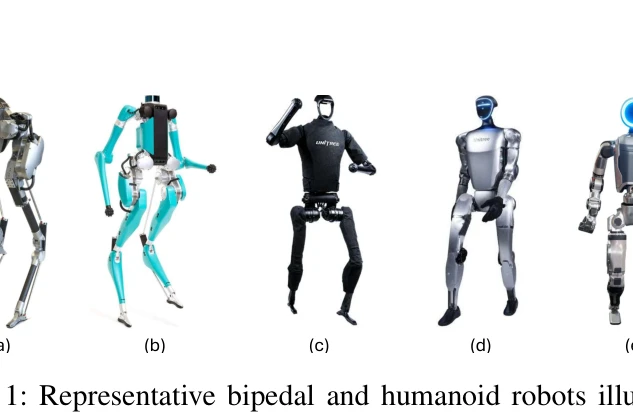
본 논문은 bipedal robot의 locomotion을 위한 Deep Reinforcement Learning(DRL) 기반 프레임워크를 체계적으로 분류, 비교, 분석하는 survey이며, end-to-end와 hierarchical 제어 방식으로 구분하여 각 프레임워크의 구성, 강점, 한계를 평가한다.
Evaluation
Novelty: 3/5 Technical Soundness: 3/5 Significance: 4/5 Clarity: 4/5 Overall: 4/5
총평: 본 survey는 DRL 기반 bipedal locomotion 분야의 fragmented 연구를 체계적으로 정리하고 unified framework을 향한 명확한 research agenda를 제시하는 가치 있는 종합 분석이다. End-to-end와 hierarchical 분류 체계, learning paradigm 비교, hybrid 아키텍처 평가는 이 분야의 종사자들에게 실질적인 guidance를 제공하며, 향후 generalisable bipedal locomotion 개발의 기초를 마련한다.
같이 보면 좋은 논문
기반 연구Dexterous Manipulation through Imitation Learning: A Survey 논문은 다관절 궤적 조작 방식의 imitation learning 이론을 체계적으로 제공한다.
기반 연구1328의 이족 보행 DRL 연구가
1819의 로봇 분류 및 거버넌스 프레임워크에서 다루는 AI 에이전트 유형의 구체적 사례를 제공한다.
응용 사례1819는 로봇 분류 및 거버넌스 프레임워크를 논의하며,
1328에서 다루는 DRL 기반 이족 보행 로봇의 사회적 맥락 이해에 응용된다.
다른 접근1328은 autoregressive 트래젝터리 모델링을 통한 행동 클로닝을 시도하며,
1316의 행동 분산화 방법과 대조적이다.
다른 접근3366도 이족 로봇 제어를 위한 학습 기반 방법을 다루며
1328과 동일한 문제 영역에서 상호 보완적 관점을 제공한다.
후속 연구휴머노이드 로봇 원격조작의 핵심 기술적 요소와 시스템 아키텍처에 대한 기초 연구를 제공한다.
응용 사례1707의 휴머노이드 텔레오퍼레이션 서베이는
1328의 DRL 기반 이족 보행 제어 기술이 원격 조종 시스템에 어떻게 적용되는지를 보여준다.
다른 접근1328의 이족 보행 DRL 서베이가
1973에서 활용하는 강화학습 기반 물리 캐릭터 제어의 방법론적 배경을 제공한다.
다른 접근LOTUS는 계층적 imitation learning을 통한 로봇 조작 연속 및 적응 객체에 초점을 맞춘다.
다른 접근1328은 trajectory autoregressive modeling을 통한 정책 학습을 다루며,
1310의 any-point modeling과 학습 데이터의 활용 방식에서 차별성이 있다.
다른 접근1744도 이족 보행 로봇의 학습 기반 제어를 다루며,
1328의 DRL 분류 체계와 유사한 문제를 다른 접근법으로 해결한다.
후속 연구휴머노이드 로봇의 도달 및 전신 제어를 위한 기반 기술을 제공한다.
다른 접근VITA는 flow 기반 trajectory modeling을 통한 정책 학습 메커니즘을 제안하여, Chain-of-Action의 trajectory autoregressive 접근과 비교 가능하게 합니다.
다른 접근Chain-of-Action 논문은 trajectory autoregressive modeling 구조에서 VQ-VLA와 달리 시퀀스 생성 방식에 초점을 두고 있음.
다른 접근3D FlowMatch Actor는 유사하게 3D 조작 환경에서 trajectory 기반 액션 시퀀스 생성을 다르게 구현한다.
후속 연구Deep RL 기반 로봇 locomotion 서베이로 실제 현장 적용과 최신 연구를 다룬다.
후속 연구Hierarchical Diffusion Policy는 길고 복잡한 조작 작업에 계층적 diffusion 기반 접근을 적용하여 Chain-of-Action의 자동회귀 방식과의 관계를 조명합니다.
후속 연구embodied intelligence와 물리적 구조-제어 공동 설계의 이론적 기반을 제공하는 연구이다.